
What is Gynaecology?
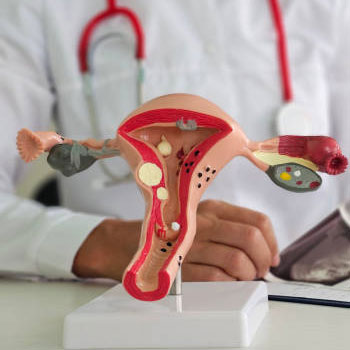
Gynaecology is a specialized branch of medicine that focuses on the health and well-being of the female reproductive system. It deals with the diagnosis, treatment, and management of conditions that affect the uterus, ovaries, fallopian tubes, cervix, and vagina. Gynaecology also includes preventive care, routine check-ups, and counseling to ensure overall reproductive and hormonal health. Women of all age groups may seek gynaecological care for issues ranging from puberty to menopause.
Importance of Gynaecology
Gynaecology plays a crucial role in maintaining women’s health. It not only addresses medical conditions but also focuses on preventive measures such as screenings and early detection of diseases. Regular visits to a gynaecologist help in managing menstrual health, fertility concerns, pregnancy-related issues, and menopausal changes. By identifying symptoms early, many reproductive health problems can be treated effectively, improving a woman’s quality of life.
Common Areas of Gynaecology
- Menstrual Health: Gynaecology helps women manage irregular cycles, painful periods, heavy bleeding, or hormonal imbalances.
- Fertility and Reproduction: Couples experiencing challenges with conception often consult gynaecologists for guidance and support.
- Pregnancy Care: Though closely related to obstetrics, gynaecology involves early pregnancy support and monitoring reproductive health.
- Menopause Management: Women experiencing changes due to menopause can seek advice for managing symptoms like hot flashes, mood changes, and bone health.
- Infections and Disorders: Gynaecologists diagnose and treat infections, growths, and conditions such as fibroids, cysts, or endometriosis.
Preventive Role of Gynaecology
Preventive care is one of the most important aspects of gynaecology. Routine examinations, screenings, and health counseling allow women to detect potential problems at an early stage. Many gynaecological visits focus on education regarding reproductive hygiene, safe practices, and lifestyle management. Preventive care empowers women to make informed decisions about their health and reduces the risks of chronic conditions.
When Should You See a Gynaecologist?
Women are encouraged to visit a gynaecologist for routine health check-ups as well as when they experience specific symptoms. Some signs that indicate the need for a consultation include:
- Irregular or painful menstrual cycles
- Severe abdominal or pelvic pain
- Unusual vaginal discharge or discomfort
- Difficulty conceiving after trying for several months
- Changes associated with menopause
Regular check-ups are equally important even without symptoms, as they help maintain long-term reproductive and hormonal health.
Gynaecology and Women’s Overall Health
Beyond reproductive concerns, gynaecology also contributes to general well-being. Hormonal changes, lifestyle habits, and stress can affect many aspects of women’s health. By addressing reproductive and hormonal issues, gynaecology supports physical, emotional, and mental health. It also plays a role in educating women about nutrition, exercise, and self-care practices that promote a healthy life.
Gynaecology is an essential field of healthcare dedicated to women’s reproductive and overall wellness. It encompasses diagnosis, treatment, prevention, and education, ensuring that women receive comprehensive care throughout different stages of life. By maintaining regular visits and seeking timely guidance, women can safeguard their reproductive health and live healthier, more fulfilling lives.