
What is Anaesthesia & Preoperative Care?
Anaesthesia and preoperative care are essential aspects of critical care medicine, ensuring patient safety and comfort during surgical and diagnostic procedures. Anaesthesia refers to the use of medicines to prevent pain and awareness during surgery, while preoperative care involves careful evaluation, preparation, and planning before the procedure to minimize risks and enhance recovery.
Understanding Anaesthesia
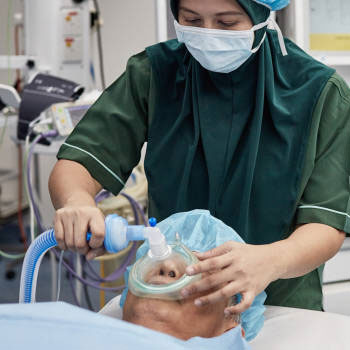
Anaesthesia is broadly classified into three main types: general, regional, and local. General anaesthesia puts the patient into a controlled, unconscious state, making it suitable for major surgeries. Regional anaesthesia numbs a specific area of the body, such as the lower half during childbirth or orthopedic surgeries. Local anaesthesia is used for smaller procedures, numbing a limited area while the patient remains fully awake. The choice depends on the patient’s health condition, type of surgery, and medical evaluation.
Role of Preoperative Care
Preoperative care is a systematic approach to prepare patients for surgery. It includes reviewing the patient’s medical history, current medications, allergies, and lifestyle habits such as smoking or alcohol use. Doctors may recommend certain tests, such as blood investigations or imaging, to assess fitness for anaesthesia. Patients are also given instructions regarding fasting, medication adjustments, and lifestyle modifications before the procedure. These steps reduce complications and ensure a smoother recovery after surgery.
Importance in Critical Care
In critical care settings, anaesthesia and preoperative care become even more crucial because patients often have underlying health conditions or emergencies. Proper assessment helps in reducing surgical risks, preventing complications such as bleeding, infection, or adverse drug reactions. Anaesthesiologists and critical care specialists work together to monitor vital signs, maintain stable body functions, and provide pain management throughout the perioperative period.
Postoperative Benefits
Effective preoperative planning combined with safe anaesthesia administration contributes to better postoperative outcomes. Patients experience less discomfort, quicker recovery, and reduced chances of complications. This holistic approach ensures that surgical interventions are performed with the highest level of safety and precision.
In summary, anaesthesia and preoperative care are vital components of critical care that safeguard patients before, during, and after surgical procedures. By combining medical expertise, careful preparation, and patient-centered practices, they form the foundation for safe and successful surgical outcomes.