
What is General Surgery?
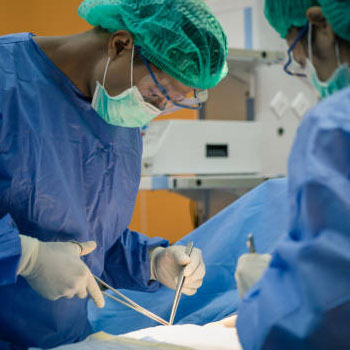
General surgery is a medical specialty that focuses on performing surgical procedures to treat a wide range of diseases, injuries, and conditions. Unlike other surgical specialties that deal with specific organs or systems, general surgery covers multiple areas of the body and provides comprehensive care for patients who require operative intervention. A general surgeon is trained to diagnose, manage, and perform surgeries that involve the abdomen, digestive system, skin, soft tissues, and other essential structures of the body.
Scope of General Surgery
The field of general surgery is broad, encompassing both emergency and elective procedures. It commonly includes surgeries related to the esophagus, stomach, small intestine, large intestine, liver, gallbladder, pancreas, appendix, and bile ducts. General surgeons are also skilled in treating conditions involving the thyroid gland, hernias, skin and soft tissue tumors, and certain vascular procedures. They often collaborate with other specialists to ensure patients receive complete and effective care.
Common Conditions Treated
General surgeons manage a wide range of conditions, from routine to complex. Some of the common health problems that may require general surgery include:
- Gallstones and gallbladder disease
- Appendicitis
- Hernias (inguinal, umbilical, and incisional)
- Thyroid nodules and thyroid disorders
- Gastrointestinal bleeding or obstructions
- Skin and soft tissue infections or tumors
- Varicose veins and vascular access procedures
Types of Procedures
General surgery involves a wide variety of procedures, ranging from minor to major operations. Some of these include:
- Appendectomy: Removal of an inflamed appendix.
- Cholecystectomy: Removal of the gallbladder due to gallstones or infection.
- Hernia Repair: Surgical correction of hernias to prevent complications.
- Thyroid Surgery: Partial or complete removal of the thyroid gland for nodules, enlargement, or cancer.
- Colon and Rectal Surgery: Procedures for colorectal cancer, diverticulitis, or bowel obstructions.
- Skin and Soft Tissue Surgery: Excision of cysts, abscesses, or tumors.
Role of a General Surgeon
A general surgeon is more than just a specialist who performs operations. They play a vital role in the entire surgical journey of a patient—from the initial diagnosis and preoperative evaluation to the surgery itself and postoperative care. General surgeons also provide emergency surgical care for trauma, acute abdominal conditions, and critical injuries. Their ability to handle diverse situations makes them an essential part of any healthcare system.
Benefits of General Surgery
The primary goal of general surgery is to improve health outcomes and enhance quality of life. By removing diseased tissues, repairing damaged structures, or correcting abnormalities, general surgery often provides long-term relief from pain and discomfort. Many surgical interventions help prevent serious complications, such as infections, internal bleeding, or cancer progression. This makes general surgery a life-saving specialty in many circumstances.
General surgery is a versatile and vital branch of healthcare that addresses a wide range of medical conditions through surgical intervention. It provides solutions for both urgent and planned treatments, ensuring that patients can regain their health and live better lives. With expertise in multiple areas of the body, general surgeons continue to play a crucial role in modern medical practice by combining knowledge, precision, and patient care.