
What is ENT?
ENT stands for Ear, Nose, and Throat, which is a specialized branch of medicine that deals with the diagnosis and treatment of conditions affecting these important organs. The medical term often used for ENT is Otolaryngology. Since the ear, nose, and throat are closely connected in both structure and function, ENT specialists provide comprehensive care for issues that impact hearing, breathing, swallowing, speech, and balance. This specialty also extends to certain areas of the head and neck.
Why is ENT Important?
The ear, nose, and throat are vital for daily life. Hearing helps us communicate, the nose supports breathing and our sense of smell, while the throat plays a key role in speaking and swallowing. Even minor problems in these areas can affect overall health and quality of life. For example, recurring throat infections may disturb eating habits, sinus issues may lead to constant headaches, and hearing problems may affect communication and learning. ENT care ensures these essential functions remain healthy and efficient.
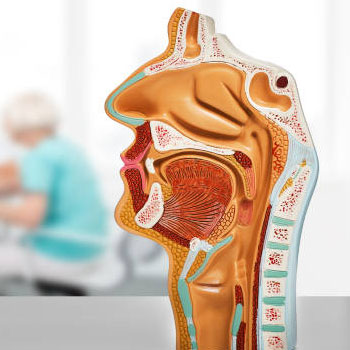
Common Conditions Treated by ENT Specialists
- Ear Disorders: Hearing loss, ear infections, balance issues, ringing in the ears (tinnitus), and eardrum problems.
- Nose Disorders: Sinusitis, nasal blockages, breathing difficulties, and allergic conditions affecting the nasal passage.
- Throat Disorders: Voice issues, swallowing difficulties, tonsillitis, and sore throats caused by infections.
- Head and Neck Issues: Some ENT specialists also handle problems in the neck area such as swollen lymph nodes or structural abnormalities affecting breathing and speech.
When Should You Visit an ENT Specialist?
You may need to consult an ENT doctor if you experience symptoms such as:
- Frequent ear pain, discharge, or sudden hearing loss
- Blocked or stuffy nose that does not improve with simple care
- Chronic sore throat or difficulty in swallowing
- Persistent snoring or breathing problems during sleep
- Loss of voice or constant hoarseness
Early diagnosis and treatment help prevent complications and improve recovery. Many ENT conditions can be managed with medication, lifestyle modifications, or simple procedures.
How ENT Care Benefits Overall Health
ENT care does not only focus on treating immediate symptoms but also helps in preventing recurring problems. For example, treating sinus issues early can stop chronic headaches and infections. Similarly, identifying hearing problems in children at the right time supports better speech and learning development. By maintaining ear, nose, and throat health, individuals can enjoy improved communication, restful sleep, and better day-to-day comfort.
In summary, ENT, or Otolaryngology, is an important field of healthcare that ensures the proper functioning of the ear, nose, throat, and related areas of the head and neck. Since these organs are crucial for breathing, hearing, speaking, and swallowing, timely consultation with an ENT specialist can make a significant difference in maintaining a healthy lifestyle. Understanding the basics of ENT care helps people recognize symptoms early and seek professional guidance whenever needed.