Emergency and life-saving services are specialized healthcare services designed to provide immediate medical attention to individuals experiencing sudden and critical health conditions. These services play a vital role in stabilizing patients, preventing further complications, and ultimately saving lives in urgent situations. Whether it is a severe accident, cardiac arrest, stroke, or respiratory distress, timely intervention through emergency care can make a significant difference in patient outcomes.
Importance of Emergency Services
The primary goal of emergency and life-saving services is to deliver rapid medical response during life-threatening conditions. Time is often the most crucial factor in emergencies, as delays can lead to worsening health or even loss of life. Having trained medical professionals available around the clock ensures that critical care is provided at the right moment. These services focus on early diagnosis, immediate stabilization, and appropriate treatment plans to protect the patient’s health.
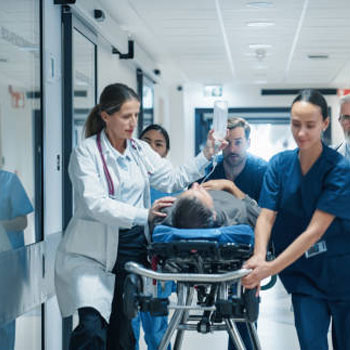
Types of Emergency Situations
Emergency services address a wide range of critical situations. Some of the most common include:
- Cardiac Emergencies: Heart attacks, arrhythmias, and cardiac arrest requiring urgent intervention.
- Trauma and Accidents: Injuries caused by road accidents, falls, or workplace hazards.
- Neurological Emergencies: Conditions like stroke or seizures where early treatment prevents disability.
- Respiratory Distress: Breathing difficulties due to asthma, pneumonia, or sudden lung complications.
- Severe Infections: Rapidly progressing infections such as sepsis that demand critical care management.
Key Features of Life-Saving Services
Life-saving services are characterized by their speed, accuracy, and availability. Trained emergency physicians, nurses, and critical care teams work together to provide immediate support. Modern emergency departments follow structured protocols that prioritize patients based on the severity of their condition, ensuring the most urgent cases receive prompt attention. Constant monitoring and round-the-clock care are essential components of these services.
Emergency and life-saving services form the backbone of critical care, offering a lifeline to patients in distress. Their timely response, professional expertise, and patient-centered approach significantly reduce risks and improve recovery chances. Understanding the importance of these services helps individuals seek immediate care without delay during medical emergencies.